How Modern Social Media Vetting Impacts Marriage Green Card Petitions in South Florida
━━━━━━━━━━━━━━━━━━━━━━━━━━━━━━━
Summary: USCIS and the Fraud Detection and National Security (FDNS) Directorate actively monitor publicly available social media profiles—including Facebook, Instagram, X (Twitter), TikTok, and LinkedIn—when adjudicating marriage-based green card applications. Officers cross-examine digital footprints against statements on Form I-130 and Form I-485. Discrepancies regarding marital status, residential address history, employment details, or romantic cohabitation can trigger formal Requests for Evidence (RFEs), Stokes fraud interviews, unannounced FDNS home visits, or case denials.

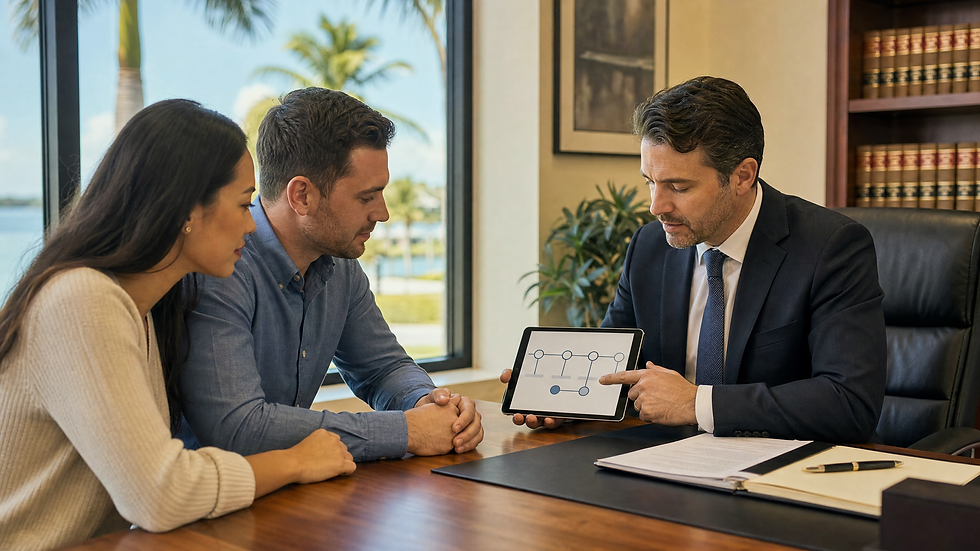
An immigration attorney advises a couple on navigating digital privacy and social media vetting during their marriage green card consultation at our South Florida firm.
━━━━━━━━━━━━━━━━━━━━━━━━━━━━━━━
The Evolution of USCIS Digital Surveillance and FDNS Investigations
The FDNS Directorate utilizes dedicated digital investigative tools to aggregate publicly available data across multiple social platforms. During routine background checks or when red flags arise, officers evaluate: public posts and tagged photos verifying whether a couple presents themselves publicly as a married unit; relationship status discrepancies identifying profiles listed as single or engaged to someone other than the petitioning spouse; geographic check-ins conflicting with claimed cohabitation addresses on Form I-130A; and employment alignments comparing stated employer history on Form I-485 against public LinkedIn records. When a couple files through local South Florida offices such as the USCIS West Palm Beach Field Office or Kendall/Miami Field Office, officers cross-check local digital filings against real-time social presence.
━━━━━━━━━━━━━━━━━━━━━━━━━━━━━━━
Common Online Red Flags That Trigger USCIS Scrutiny
Conflicting Living Arrangements: Claiming shared residence in Deerfield Beach on tax forms and lease agreements while personal Instagram or Facebook geotags consistently show primary activity in another city or state.
Omission of the Spouse from Public Life: Maintaining active personal social media accounts with hundreds of lifestyle posts but completely lacking photos, mentions, or interactions involving the petitioning or beneficiary spouse over multi-year periods.
Inconsistent Employment Claims: Claiming specialized employment on Form I-864 while LinkedIn profiles show completely different career timelines or self-employment status.
━━━━━━━━━━━━━━━━━━━━━━━━━━━━━━━
Legal Best Practices for Social Media Management During Pendency
DO Conduct a Digital Audit: Review personal social media accounts prior to filing to ensure biographical details, anniversary dates, and life milestones match the sworn declarations on your immigration petitions.
DO Update Privacy Settings: Adjust account visibility to private or friends-only. However, publicly visible interactions on public pages remain accessible to USCIS.
DO NOT Mass Delete Accounts or Historical Posts: Deleting social media accounts or scrubbed content immediately prior to an interview is viewed as potential spoliation of evidence. Sudden profile deletions frequently trigger deeper FDNS fraud referrals.
DO Ensure Honesty on Consular Forms: For cases processed via Form DS-260, applicants must disclose all social media handles used within the past five years. Omitting handles constitutes a material misrepresentation under INA Section 212(a)(6)(C)(i).
Why Choose the Law Office of Andrew Sones?
In an era of increased USCIS surveillance and FDNS fraud audits, preparing a clean, cohesive evidentiary file is critical to securing your green card. The Law Office of Andrew R. Sones leverages modern, mobile technology and proactive case auditing to evaluate your online footprint, public records, and joint documentation before USCIS officers review your case. As a member of AILA and the ABA admitted to practice in California and serving clients in Deerfield Beach and worldwide, Attorney Sones delivers authoritative, end-to-end guidance to protect your marriage petition from digital scrutiny.
━━━━━━━━━━━━━━━━━━━━━━━━━━━━━━━
Frequently Asked Questions (FAQ)
Can USCIS demand access to my private direct messages or passwords?
USCIS officers generally cannot demand private account passwords without explicit warrant authority. However, officers can request that applicants voluntarily show messaging threads during a marriage interview to substantiate a continuous, bona fide relationship.
What if my spouse and I simply do not use social media?
Lacking a social media presence is not a legal ground for green card denial. Focus on providing traditional documentary proof of joint life such as co-signed residential leases, joint tax returns, joint bank statements, utility bills, and beneficiary designations.
How do FDNS home visits relate to social media monitoring?
If USCIS identifies online inconsistencies, the case may be transferred to FDNS. FDNS officers may conduct unannounced early-morning site visits at your Deerfield Beach or South Florida residence to inspect the home, interview neighbors, and verify physical cohabitation.
How does social media vetting affect Form I-751 Removal of Conditions?
During the Form I-751 stage, USCIS re-evaluates the continuous marital relationship. Officers inspect social media updates over the preceding two years to confirm the couple maintained an active, shared life throughout the conditional residency period.
━━━━━━━━━━━━━━━━━━━━━━━━━━━━━━━