Preparing for the N-400 Naturalization Exam: Guidance from an Immigration Lawyer in Deerfield Beach
━━━━━━━━━━━━━━━━━━━━━━━━━━━━━━━
Summary: To pass the U.S. naturalization exam, applicants must successfully complete an oral civics test and an English language assessment (speaking, reading, and writing) administered by United States Citizenship and Immigration Services (USCIS) during their Form N-400 interview. Proper preparation requires mastering official civics questions, understanding eligibility exceptions (such as the 50/20, 55/15, and 65/20 rules or Form N-648 medical waivers), and thoroughly reviewing all responses on your Form N-400 (Application for Naturalization) to avoid disqualifying findings regarding continuous residence or Good Moral Character (GMC).

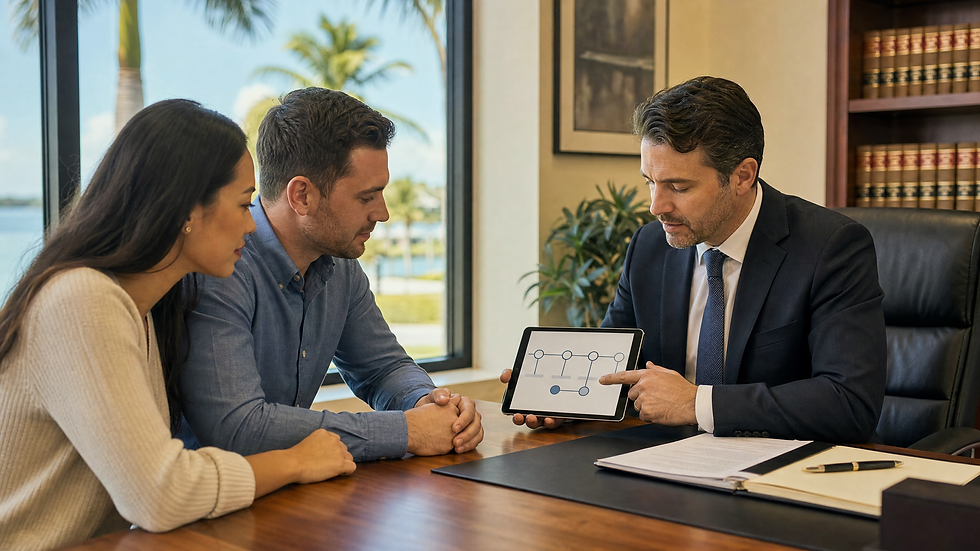
A client prepares for the N-400 naturalization exam with guidance from an immigration attorney at the Law Office of Andrew R. Sones in South Florida.
━━━━━━━━━━━━━━━━━━━━━━━━━━━━━━━
Understanding the Form N-400 Naturalization Process in South Florida
For legal permanent residents (LPRs) across Deerfield Beach, Fort Lauderdale, West Palm Beach, and the broader South Florida region, taking the Oath of Allegiance and becoming a U.S. citizen is the pinnacle of the immigration journey. However, the step between holding a Green Card and taking the oath is the naturalization interview and examination.
Administered at local USCIS field offices—such as the Oakland Park Field Office in Broward County or the West Palm Beach Field Office—the naturalization interview evaluates whether you meet all legal statutory criteria. While most applicants focus heavily on memorizing civics trivia, the majority of naturalization delays and denials stem from misunderstandings on Form N-400, tax issues, travel gaps, or undisclosed legal issues, rather than failing the civics test itself.
Attorney Andrew R. Sones, a proud member of the American Immigration Lawyers Association (AILA) and the American Bar Association (ABA), provides experienced, conversion-focused legal counsel to guide applicants through every phase of the U.S. citizenship process.
━━━━━━━━━━━━━━━━━━━━━━━━━━━━━━━
The Anatomy of the Naturalization Exam
The naturalization test consists of two core components: the English Language Test and the Civics Test. Both occur on the same day during your formal eligibility interview.
1. The English Language Component
USCIS requires applicants to demonstrate a basic understanding of spoken and written English under INA § 312:
Speaking: Your English speaking ability is evaluated continuously by the USCIS adjudicating officer from the moment you are greeted in the waiting room until the interview concludes.
Reading: You will be asked to read aloud one out of three sentences displayed on a digital tablet. The vocabulary is drawn from official published USCIS study lists.
Writing: You must write one out of three sentences dictated by the USCIS officer. Spelling errors do not automatically cause a fail as long as the underlying meaning of the sentence remains clear.
2. The Civics Component
The civics test is an oral exam covering fundamentals of American democracy, government structure, rights, responsibilities, and history. The officer asks up to 10 oral questions from the published 100-question pool. You must answer 6 out of 10 questions correctly to pass. Answers to dynamic civics questions—such as the current Speaker of the House, your state’s Governor, or local U.S. Senators—must reflect the officials holding office on the exact day of your interview.
━━━━━━━━━━━━━━━━━━━━━━━━━━━━━━━
Statutory Exceptions and Medical Waivers
Not every applicant is required to take the standard English or civics exams in English. Federal immigration law provides specific age, residence, and medical exemptions.
Age and Continuous Residency Exceptions
The 50/20 Exception: Age 50 or older with at least 20 years as a Lawful Permanent Resident. Exempt from the English test; takes the civics test in native language with a qualified interpreter.
The 55/15 Exception: Age 55 or older with at least 15 years as an LPR. Exempt from the English test; takes the civics test in native language with an interpreter.
The 65/20 Special Consideration: Age 65 or older with at least 20 years as an LPR. Exempt from the English test and takes a simplified 10-question civics exam drawn from a reduced 20-question study bank in their native language.
Medical Disability Exception (Form N-648)
Applicants who cannot learn or demonstrate English or civics due to a physical or developmental disability or mental impairment may request a complete waiver by filing Form N-648 (Medical Certification for Disability Exceptions). This form must be completed and certified by a licensed medical doctor, doctor of osteopathy, or clinical psychologist. USCIS subjects Form N-648 filings to strict scrutiny.
━━━━━━━━━━━━━━━━━━━━━━━━━━━━━━━
Critical Legal Pitfalls Beyond the Civics Questions
While preparing for civics questions is straightforward, the legal review of your underlying eligibility carries far greater risk during the interview.
Extended Foreign Travel: Trips outside the U.S. lasting more than 6 months (180 days) create a rebuttable presumption that you disrupted your continuous residence.
Tax Compliance Issues: Filing a U.S. tax return as a “non-resident” after obtaining a Green Card or having overdue federal tax debts without an active IRS payment agreement can lead to immediate N-400 denial.
Good Moral Character (GMC) & Criminal History: USCIS conducts criminal record checks. Failure to disclose every arrest, citation, or conviction—even if expunged or dismissed—can be treated as a false statement under oath.
Selective Service Registration: Male LPRs who resided in the U.S. between the ages of 18 and 26 must register for the Selective Service. Failure to register can trigger an automatic finding of lack of Good Moral Character unless properly addressed legally.
━━━━━━━━━━━━━━━━━━━━━━━━━━━━━━━
Frequently Asked Questions (FAQ)
What happens if I fail one or both parts of the naturalization exam?
If you do not pass the English or civics test during your initial interview, USCIS will issue a Form N-652 (Naturalization Interview Results) and schedule a re-examination interview between 60 and 90 days later. You will only be re-tested on the specific portion that you failed.
Can I bring an attorney to my Form N-400 interview in South Florida?
Yes. You have the legal right to be accompanied by an attorney at your USCIS interview. Your legal counsel submits Form G-28 (Notice of Entry of Appearance as Attorney or Accredited Representative) to ensure your constitutional and statutory rights are protected during officer questioning.
Where will my naturalization interview take place if I live in Deerfield Beach?
Applicants residing in Deerfield Beach, Boca Raton, Pompano Beach, or surrounding South Florida communities are typically assigned to either the USCIS Oakland Park Field Office in Broward County or the USCIS West Palm Beach Field Office in Palm Beach County, depending on their zip code.
What documents should I bring to my N-400 citizenship interview?
You must bring your original Permanent Resident Card (Green Card), state identification or driver’s license, all current and expired passports, certified court dispositions for any legal issues, tax transcripts for the statutory 3- or 5-year period, and your interview notice (Form I-797C).
━━━━━━━━━━━━━━━━━━━━━━━━━━━━━━━
Strategic Representation with the Law Office of Andrew R. Sones
Navigating the U.S. citizenship process requires meticulous preparation and sound legal strategy. Attorney Andrew R. Sones brings deep expertise, professional dedication, and personalized attention to every immigration file. Whether you need assistance reviewing your Form N-400, filing a Form N-648 medical waiver, or securing direct representation at your USCIS interview, our firm is ready to protect your legal rights.